
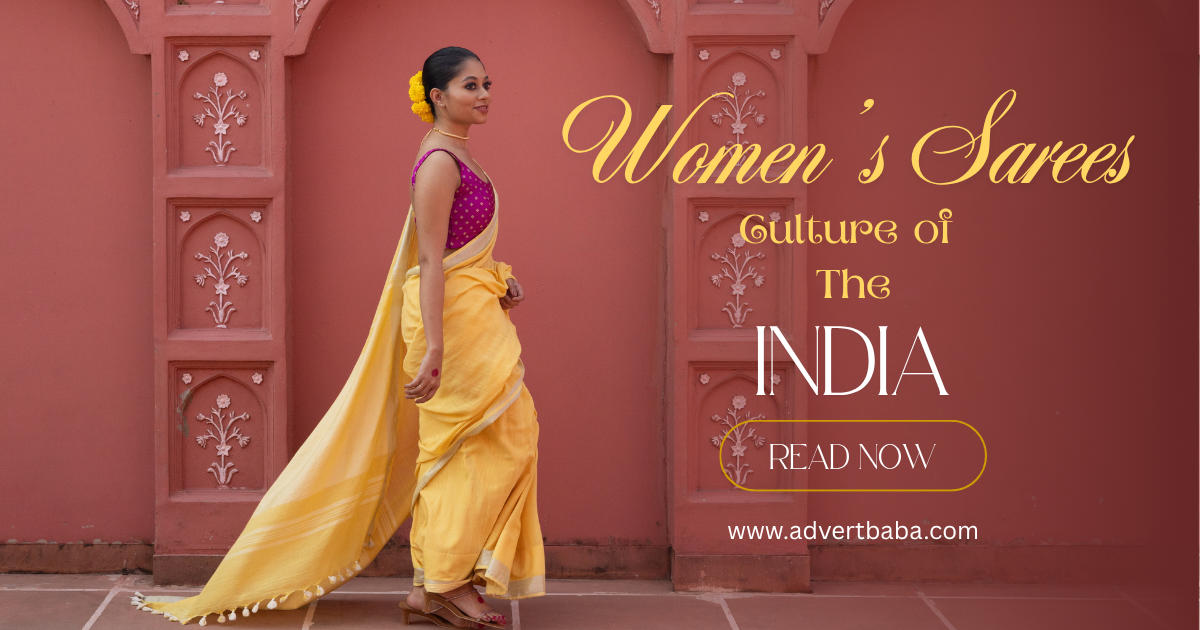
Women’s saree is more than just a dress in India, it is a culture that has been going on for centuries and is still going on today. In any big festival of Hinduism and Sanatani Dharma or in wedding, party, ceremony, you can see Indian women wearing saree. Actually saree is such a culture that is not only in India but it is becoming a part of the civilization of other countries. Even living in foreign traditions, women are adopting saree and Indian culture. And this is also a very good thing.
Saree is such a dress that a woman of any origin or country looks very beautiful when worn, there is something and beauty about this dress that any woman who wears it starts looking beautiful. Everyone’s eyes are fixed on the woman wearing saree, and the only thought that comes to mind is “Wow gorgeous lady of this world”. Below I have mentioned the types of women’s saree, and I am sure that you will like it very much.
Banarasi Saree (Uttar Pradesh)
Banarasi saree is a classic style saree which gives a glimpse of the culture and civilization of ancient India and tells how women used to dress in our country in the olden days. This saree is highly admirable because it has embroidery work of gold and silver thread.
It originated in Varanasi of Uttar Pradesh hence the name Banarasi saree. This saree is made of fine silk and is known for its luxurious designs, patterns and designs. Red colour Banarasi saree is famous only for brides, only a bride can wear it in her wedding. This traditional attire can also be worn in festivals.
Styling Tips:
Occasion: This saree can be worn in weddings, bridal functions and religious functions.
Footwear: You can pair it with traditional juttis or block heel footwear.
Jewellery: Women can wear complete bridal jewellery when they wear this outfit.
Accessories: A clutch bag or a small potli bag is very suitable for this dress.
Blouse: Colour matching blouse with sleeves up to elbows, round neck and back with round rectangle laces.
Light weight Banarasi sarees are also available which can be worn in different occasions and in other colours too.
Kanjeevaram / Kanchipuram Saree (Tamil Nadu)
Kanchipuram or Kanchipuram saree belongs to Tamil Nadu. A region in the south of India, whose language is different, lifestyle is different but if we see how it connects India then one of the most important reasons is women saree. Women of course prefer to wear silk saree. Here the saree is made of pure mulberry silk, in which vibrant colours are used and the border is wide and gold. This type of women’s silk saree is a different kind which provides a gorgeous look after wearing.
Styling Tips:
Occasion: A lady wear this silk saree at weddings, traditional functions, and temple ceremonies.
Footwear: With this saree style a woman should wear flats
Jewellery: Women wear with this – Maang Tikka, earrings, heavy necklace, kamarbandh, kada, rings, anklets.
Accessories: Women’s Clutch Bag
Blouse: Colour matching blouse with short sleeves , neck and back can be round
Chanderi Saree (Madhya Pradesh)
Chanderi saree is very light weight which can be worn for daily wear. This saree belongs to Madhya Pradesh of India. In Chanderi saree you can see texture like peacock feather or coin.
If there is a small gathering or party in your house then you can wear this saree, due to being light weight you can also wear it in office and casual wear. Women should wear light weight saree, if you also like light weight saree the most then Chanderi saree can be your first choice. This saree is also available in silk fabric.
Styling Tips:
Occasion: Office wear, Casual party
Footwear: Flat slipper,
Jewellery: Gold chain, beads necklace set, pendant necklace, earrings, bangles
Accessories: Wrist watch, shoulder bag
Blouse Type: Blouse design may vary, you can choose the decor to you
Bandhani Saree (Rajasthan & Gujarat)
Bandhani saree has its roots in a very vibrant culture of Gujarat and Rajasthan. Its craftsmanship is very traditional. In this, the saree is first tied at many places with a very accurate technique, then it is slowly dipped in the colour, which creates dotted patterns in it, which are vibrant and bright in colour.
Women’s saree red colour which is of Bandhani style is very popular for weddings. This saree gives real Indian ethnic look which is very traditional
Styling Tips:
Occasion: Women wear this saree festival, traditional event and celebration
Footwear: Mojri or the jutti is best suited for this Saree
Jewellery: silver oxidised jewellery, earrings, necklace, payal, bangles, kade.
Accessories: Bindi and Potali bag
Blouse Type: Blouse design can be wide neck, v Neck, and back can be round design, half sleeves.
Patola Saree (Gujarat)
Patola saree has its origin in Gujarat, this saree is worn only by the luxurious and highly respected women of Gujarat. The workmanship of this saree is very complex because in making it, each dyed thread is set in such a way that a geometric design is formed which is very accurate and precise and this is the Patola saree. This is the reason why this saree is very famous.
This saree comes in different fabrics like silk, cotton, etc. This women saree is for party wear, after wearing this saree women looks pretty definitely.
Styling Tips:
Occasion: Wedding, Party, Festivals,
Footwear: embroidered heels,
Jewellery: Antique silver pairs beautifully.
Accessories: Wear bindi with saree for bold touch and carry clutch bag.
Blouse Type: high neck silk blouse and backless design.
Paithani Saree (Maharashtra)
Paithani saree is a royal saree which comes from Maharashtra. This saree is hand-woven and silk fabric is used in it. It has natural motifs like peacock, lotus and vine and it is known because of these motifs. Shiny gold threads are used in it, its weaving is very complex. This style of saree is one of the traditions that has been passed down from generation to generation and is an identity of Maharashtra.
Styling Tips:
Occasion: Women wear it on Ganesh Chaturthi, Diwali, religious ceremonies.
Footwear: It looks great with Kolhapuri slippers.
Jewellery: Jewelleries like Nath, Chandbali enhance its beauty.
Accessories: Gajra and silk potli bag are its best accessories.
Blouse Type: Elbow length blouse with zari work suits best.
The pride of Maharashtra, this saree is a true reflection of cultural pride.
Sambalpuri Saree (Odisha)
Sambalpuri Saree, as beautiful as it looks and wears today, has a history as old as it is. Created in the 12th century by the Bhulia community who migrated from North India and settled in Western Odisha, this saree is an artistic saree, originated in Odisha. These sarees are handwoven using Ikat techniques and distinctive tribal motifs. These sarees are made very deeply and precisely. Sambalpuri sarees reflect the culture and tradition of Odisha. Women’s black sarees with this pattern are worth incomparable admiration. If you see a lady wearing a saree with tribal motifs pattern anywhere, then understand that it is a Sambalpuri women’s saree.
Styling Tips:
Occasion: Classical dance events, cultural programs, festivals,
Footwear: Hand-embroidered flats is good for this clothing.
Jewellery: Tribal silver jewellery and oxidised jewellery set
Accessories: Ethnic clutch, and bindi
Blouse Type: Ikat blouse in matching or contrasting tones.
Tussar Silk Saree (Bihar, Jharkhand, Chhattisgarh)
Tussar silk saree is a very beautiful women’s saree, this saree is famous for its golden sheen, it is very light in texture and eco-friendly saree. Women’s silk saree of this pattern looks very beautiful and every woman who wears it gets only praises from everyone.
It is so light weight that you can wear it for daily wear. Women’s black saree of this silk fabric gives ultimate look to women.
Styling Tips:
Occasion: This is office wear saree, and ideal for a conference meeting.
Footwear: Minimal heels or traditional leather sandals or flats.
Jewellery: handcrafted terracotta jewellery.
Accessories: Women’s clutch bag for a refined look.
Blouse Type: Embroidered cotton-silk blouse.
Kota Doria Saree (Rajasthan)
Kota Doria saree is related to Rajasthan and it originated here. This saree is very delicate and very light to wear. It is a mixture of cotton and silk and the check pattern is very special and this is why it is very famous. It has a very special place among all women’s sarees. If any woman wears women’s black saree of this pattern, then it will look very beautiful.
Styling Tips:
Occasion: Casual outdating, or summer pujas.
Footwear: Comfortable kolhapuris or flat sandals.
Jewellery: silver studs, jhumkas, or women’s beads jewellery
Accessories: Cotton sling and wear light makeup.
Blouse Type: Cotton’s sleeveless blouse for a breezy and modern vibe of women.
Kerala Kasavu Saree (Kerala)
Kerala Kasavu Saree is a symbol of simplicity and shows how gorgeous a woman can look even in a simple saree. This Kasavu Saree is a traditional saree from Kerala which is cream in colour and has a golden border.
Brides and wedding guests seeking elegance while remaining true to tradition may be drawn to Kasavu-style women sarees for wedding attire.
Styling Tips:
Occasion: This saree for women is perfect for Onam, Vishu, wedding,
Footwear: Women’sgolden sandle is best with this saree.
Jewellery: long chains, jhumkas, and bangles of gold.
Accessories: Women can style bold bindi, jasmine flowers, and a gold potli bag.
Blouse Type: Gold blouse with zari detailing for a bridal finish.
Muga Silk Saree (Assam)
Munga Silk Saree is a saree from Assam which is the epitome of luxury, it is famous for its shiny golden colour and exceptional durability. It is very rare to see women wearing this saree. In this saree, you will find some flowers or figures in dotted pattern which further enhances its grandeur, its border work is very special in which fine workmanship can be seen. In this saree of Assam, a woman looks very beautiful and talented, which can easily attract anyone. Women’s red saree which is handwoven and has zari work and silk fabric, so what would you call this saree. I will call this it’s perfect for the bride.
Styling Tips:
Occasion: Wedding, Bihu festival, and cultural performance.
Footwear: classic ethnic sandals.
Jewellery: Traditional Assamese jewellery like Junbiri, Gamkharu,
Accessories: Floral hair bun, Clutch bag, Red bindi
Blouse Type: silk blouse with delicate embroidery work
Pochampally Saree (Telangana)
Pochampally saree is a vibrant and elegant women’s saree and originated in Telangana. Made using the Ikat dyeing technique, the bold geometric pattern gives it a unique status among sarees, making it popular among women. Mostly made from cotton, silk or a mix of both, it is quite lightweight. This is the best women’s saree for weddings, and other functions.
Styling Tips:
Occasion: Formal gatherings, pujas, and wedding receptions.
Footwear: Wear hand-embroidered flats.
Jewellery: Gold or oxidized silver jewellery works well.
Accessories: A stylish handbag and simple bangles.
Blouse Type: Choose a patterned blouse in a contrasting tone to highlight the saree.
Baluchari Saree (West Bengal)
The Baluchari sari is a masterpiece from Bengal, its rich silk fabric and artistic detailing are admirable. This is an elegant women’s sari known for mythological scenes intricately woven into the pallu.
Styling Tips:
Occasion: Religious functions, cultural shows, and traditional family events
Footwear: Pair with classic embroidered mojaris.
Jewellery: Terracotta jewellery to match the vintage appeal.
Accessories: Red Bindi, clutch, and fresh flowers in your hair for a complete ethnic look.
Blouse Type: Choose a high-neck blouse
Nauvari Saree (Maharashtra)
Nauvari sari is also known as Kashta sari which is a traditional women’s sari and belongs to Maharashtra, this sari is a part of their culture, the draping style of this dhoti is unique and it is worn without a petticoat. This sari is the pride of Maharashtra’s culture as this style of sari is worn by women warriors, dancers, this style reflects the strength of women.
Styling Tips:
Occasion: Best suited Lavani performances, Marathi weddings, festive rituals, and cultural celebrations.
Footwear: Pair with Kolhapuri chappals.
Jewellery: Maharashtrian jewellery like nath, thushi, and green glass bangles.
Accessories: Bindi, gajra in your hair, and a silk potli bag.
Blouse Type: Choose an elbow-length blouse.
Final Thoughts
All the above women’s sarees represent different cultures of India and also belong to different provinces, each has its own identity and specialty, even if it is from different cultures and different time periods because all these sarees have their own history but one thing which connects them all is that these are women’s sarees and all are part of Indian culture which connects us all.
In each paragraph above, I could have written in different ways that add to your wardrobe, but here it will be easier to say in one line that a woman who is a saree lover must try all these sarees and add them to her wardrobe.
Which saree is best for festivals?
As far as festival sarees go, there’s no single answer when it comes to choosing one for festivals – it depends on your personal style and what occasion is being celebrated. Weddings or Diwali parties tend to lean more toward luxurious silk sarees like Banarasi or Kanjeevaram for grand celebrations and parties. Wear them for that royal look and festive shimmer that instantly elevates your look without trying too hard – simply pair with some simple jewelry for maximum impact. Alternatively, for daytime or lengthy events, lighter sarees such as Chanderi or Kota Doria would make more sense as they are easier to wear, more breathable, and still elegant looking – after all what would be the point in dressing up if it didn’t feel comfortable all through?
Festivals full of color and energy often call for vibrant Bandhani or Paithani styles to match the occasion, while some prefer more subdued silk designs like subtle Bandhani sarees with intricate Bandhani borders or Paithani designs that match perfectly. Some women like keeping it classic by opting for subtle silk designs; others go all out with bolder patterns. At the end of the day, however, the ideal festive saree should make you feel confident and joyful; “jo dil ko lage wahi sahi.” Festivals come and go but having something that feels comfortable is always best. So choose something that feels right; that way will ensure no matter what may lie ahead!